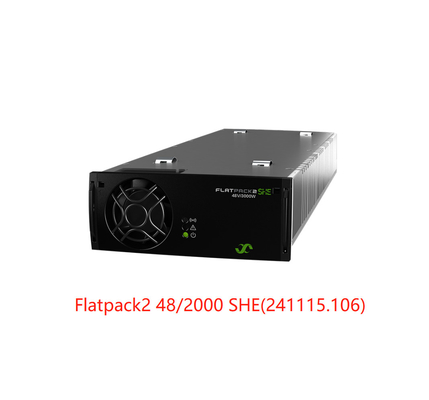
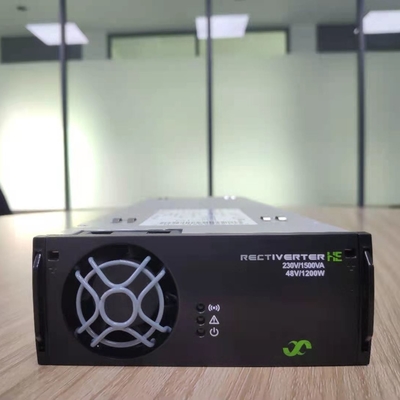
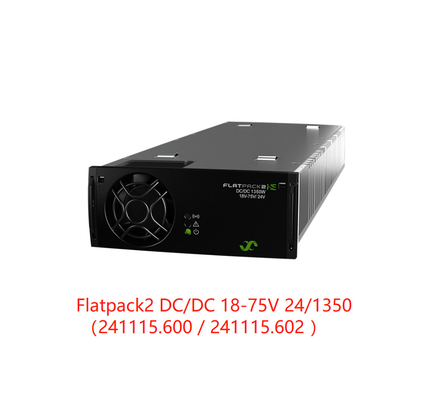
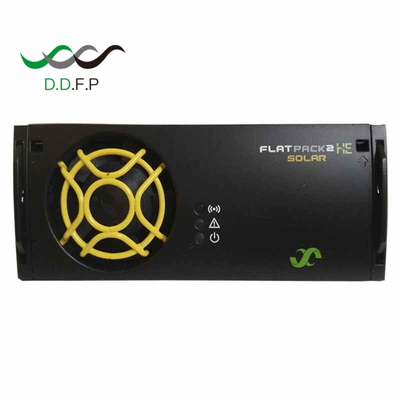
দক্ষিণ আফ্রিকা জুড়ে টেলিকম ব্যাকবোন বেস ট্রান্সসিভার স্টেশন (BTS), এজ কম্পিউটিং নোড নোড এবং এন্টারপ্রাইজ-গ্রেড আইটি সার্ভার রুমগুলির দৈনিক রক্ষণাবেক্ষণের কর্মপ্রবাহে, দীর্ঘমেয়াদী অপারেশনাল আপটাইম এবং মোট অপারেটিং ব্যয় (OPEX) এর মধ্যে একটি কঠোর ইঞ্জিনিয়ারিং বাণিজ্য বন্ধ থাকে। যেহেতু স্থানীয় প্রযুক্তিগত ক্ষেত্র সমর্থন ব্যাপক প্রেরণের পরিবর্তন এবং আঞ্চলিক খুচরা যন্ত্রাংশ লজিস্টিক সীমাবদ্ধতা, ক্রমাগত গ্রিড লোড-শেডিং গতিশীলতার সাথে মিলিত হয়, প্রচলিত বৈদ্যুতিন সংকেতের মেরু বদল কনফিগারেশনগুলি ত্বরিত উপাদান তাপীয় ক্লান্তির মধ্য দিয়ে যায়। এই দুর্বলতা বার্ষিক রক্ষণাবেক্ষণ ব্যয়কে অসম্ভাব্য উচ্চতায় নিয়ে যায়। এই জীবনচক্র O&M এবং উপাদান নির্বাচন নির্দেশিকা বিশ্লেষণ করে যে কীভাবে মডুলার ইনভার্টারগুলিকে প্রত্যয়িত করা হয়েছে240,000-ঘন্টা MTBFআক্রমনাত্মক ব্যয়ের বাধাগুলি সমাধান করার জন্য নির্দিষ্ট প্যারামেট্রিক প্রমাণ হিসাবে কাজ করে।
উদ্বায়ী গ্রিড পরিবেশের অধীনে উপাদান ক্লান্তি এবং স্ফীত রক্ষণাবেক্ষণ খরচ
দক্ষিণ আফ্রিকা জুড়ে টেলিকম হাব এবং ডেটাকম সুবিধাগুলি চিরস্থায়ী গ্রিড অস্থিতিশীলতার অধীনে কাজ করে। পৌনঃপুনিক গ্রিড ব্ল্যাকআউট এবং হিংসাত্মক শক্তি পুনরুদ্ধারগুলি বিতরণ পথে গুরুতর ক্ষণস্থায়ী ভোল্টেজ স্যাগ এবং উচ্চ-শক্তি বৈদ্যুতিক ঢেউ ইঞ্জেকশন করে। এই সম্মিলিত তাপীয় এবং বৈদ্যুতিক চাপগুলি বৈদ্যুতিন সংকেতের মেরু বদল পর্যায়ের মধ্যে গুরুত্বপূর্ণ পাওয়ার ইলেকট্রনিক্সের মধ্যে উপাদানের অবক্ষয়কে ত্বরান্বিত করে, যেমন ইলেক্ট্রোলাইটিক ফিল্টার ক্যাপাসিটর, আইজিবিটি স্যুইচিং ম্যাট্রিক্স এবং উচ্চ-ফ্রিকোয়েন্সি প্রধান ট্রান্সফরমারগুলির মধ্যে নিরোধক বাধা।
লিগ্যাসি মনোলিথিক বা বাণিজ্যিক-গ্রেড ইনভার্টারগুলি এই পুনরাবৃত্তিমূলক বৈদ্যুতিক ব্যাঘাতের বিরুদ্ধে পর্যাপ্ত কাঠামোগত প্রতিরক্ষা সংহত করতে ব্যর্থ হয়, যার ফলে বাস্তব-বিশ্বের অপারেটিং আয়ুষ্কাল নামমাত্র স্পেসিফিকেশনের অনেক নীচে নিমজ্জিত হয়। যখন কেন্দ্রীভূত কন্ট্রোল লজিক বা স্থানীয় উপাদানগুলি বার্ন হয়ে যায়, তখন সমগ্র সাইটের ব্যাকআপ স্তর অফলাইনে ড্রপ হয়ে যায়। প্রত্যন্ত যে অসংখ্য সুবিধাগুলি প্রত্যন্ত খনির খাত বা দূরবর্তী শিল্প জেলাগুলিতে ছড়িয়ে ছিটিয়ে রয়েছে, প্রযুক্তিগত ক্ষেত্রের কল-আউট, টেকনিশিয়ান ট্র্যাভেল লজিস্টিকস এবং কাস্টম উপাদান আমদানি শুল্কের সমষ্টিগত ব্যয়গুলি একটি ব্যয়বহুল অপারেশনাল দায় তৈরি করে। এই কম হার্ডওয়্যার নির্ভরযোগ্যতা এবং ফলস্বরূপ ডাউনটাইম আন্তর্জাতিক ক্রয় দলগুলির জন্য একটি গুরুতর OPEX বাধার প্রতিনিধিত্ব করে।
মিলিটারি-গ্রেড 240,000-ঘন্টা MTBF বেঞ্চমার্কের প্যারামেট্রিক বৈধতা
এই অপারেশনাল দুর্বলতা প্রশমিত করার জন্য, হার্ডওয়্যার মূল্যায়ন অবশ্যই অস্পষ্ট দাবির পরিবর্তে অভিজ্ঞতামূলক, যাচাইযোগ্য ডেটাতে নোঙর করতে হবে। একটি প্রত্যয়িত হার্ডওয়্যারের সাথে মডুলার সমান্তরাল আর্কিটেকচারকে একীভূত করা ব্যর্থতার মধ্যবর্তী সময় (MTBF) ≥ 240,000 ঘন্টাবহু-বছরের অপারেশনাল ধারাবাহিকতা নিশ্চিত করতে প্রয়োজনীয় ইঞ্জিনিয়ারিং বেঞ্চমার্ক স্থাপন করে।
এই মেট্রিকটি এর অধীনে কঠোর প্রকৌশল মূল্যায়ন থেকে প্রাপ্তMIL-217-Fস্ট্যান্ডার্ড (নির্ভরযোগ্যতার পূর্বাভাসের জন্য সামরিক হ্যান্ডবুক) বাস্তব-বিশ্বের চাপের মানদণ্ডের অধীনে: একটি পরিবেষ্টিত তাপীয় বেসলাইন30°C এবং একটি 80% একটানা চলমান লোড প্রোফাইল. এই থ্রেশহোল্ডে, অভ্যন্তরীণ সার্কিট্রির বিচ্ছিন্ন হার্ডওয়্যার ব্যর্থতার হার (ব্যর্থতার হার) প্রায় শূন্য মার্জিনে নেমে আসে। যখন নেটিভ এনহ্যান্সড পাওয়ার কনভার্সন (ECI) বিকেন্দ্রীভূত সমান্তরালতার সাথে পেয়ার করা হয়, বিন্যাস সম্পূর্ণরূপে ব্যর্থতার কোনো একক বিন্দু দূর করে। যদি একটি পৃথক মডিউল বাজ-প্ররোচিত অবক্ষয় বজায় রাখে, অবশিষ্ট সমান্তরাল ম্যাট্রিক্স নির্বিঘ্নে লোডের ধাপগুলিকে শোষণ করে0-সেকেন্ড (0 সেকেন্ড) স্থানান্তর কর্মক্ষমতা. এটি একটি সম্পূর্ণ সুরেলা বিকৃতি সহ একটি বিশুদ্ধ সাইন তরঙ্গের নিরবচ্ছিন্ন বিতরণের গ্যারান্টি দেয় (THD) <3%, কার্যকরভাবে হঠাৎ সুবিধা ডাউনটাইম নির্মূল.
নিম্ন-OPEX দক্ষিণ আফ্রিকান সুবিধার জন্য সমালোচনামূলক বৈদ্যুতিন সংকেতের মেরু বদল নির্বাচন বেঞ্চমার্ক
দীর্ঘমেয়াদী অপারেশনাল খরচ অপ্টিমাইজেশানের গ্যারান্টি দিতে, কঠোর আঞ্চলিক স্থাপনার জন্য বৈদ্যুতিন সংকেতের মেরু বদল পরিকাঠামো মূল্যায়নকারী প্রকৌশল সংগ্রহকারী দলগুলিকে অবশ্যই নিম্নলিখিত পরিমাণগত বৈশিষ্ট্যগুলি কঠোরভাবে প্রয়োগ করতে হবে:
· যাচাইযোগ্য নির্ভরযোগ্যতা মান: স্বতন্ত্র মডিউলগুলির একটি প্রত্যয়িত রেটিং থাকা আবশ্যক৷MTBF ≥ 240,000 ঘন্টাবিরুদ্ধে মূল্যায়নMIL-217-Fপ্রোটোকল সিস্টেম সমাবেশ আন্তর্জাতিক নিরাপত্তা নির্দেশিকা সহ ব্যাপক সম্মতি রাখা আবশ্যকEN62040-1এবংEN60950কর্মক্ষমতা ধারাবাহিকতা নিশ্চিত করতে।
· ওয়াইড এসি ইনপুট উইন্ডোজ এবং ব্যাটারি সুরক্ষা: হার্ডওয়্যার একটি প্রসারিত ভোল্টেজ উইন্ডোর উপর স্থিতিশীল অপারেশন বজায় রাখা আবশ্যক150 Vac থেকে 293 Vac LN. গভীর গ্রিড ব্রাউনআউটের সময়, মডিউলগুলি ডাবল-কনভার্সন মোডে (EPC মোড) এসি লাইনে লক থাকে এবং সরাসরি স্ট্যান্ডার্ডের সাথে টাই থাকে48 ভিডিসি (অপারেটিং রেঞ্জ: 32 - 63 ভিডিসি)শিল্প স্টেশন ব্যাটারি বাস, পুনরাবৃত্ত স্রাব পরিধান থেকে ব্যয়বহুল ব্যাকআপ ব্যাটারি স্ট্রিং রক্ষা.
· ক্ষণস্থায়ী অধীনে সুনির্দিষ্ট নিয়ন্ত্রণ: স্টেডি-স্টেট এসি আউটপুট ভোল্টেজের বিচ্যুতি অবশ্যই ভিতরে লক করা উচিত±1%নিচে সীমাবদ্ধ ক্ষণস্থায়ী গতিশীল বৈচিত্র সহ<5%এবং সম্পূর্ণরূপে ভিতরে পুনরুদ্ধার100 ms. প্রধান ইউটিলিটি ব্যর্থতার সময় মোট ভোল্টেজ বাধার সময় ঠিক হতে হবে0 সেকেন্ড (0 সেকেন্ড)একটি লোড ধাপ পুনরুদ্ধার মার্জিন সঙ্গে≤ 0.4 ms.
· যান্ত্রিক পদচিহ্ন এবং কেসিং স্পেস: মডিউল প্রায় একটি হালকা প্রোফাইল বজায় রাখা আবশ্যক4.3 কেজিএকটি কম্প্যাক্ট মধ্যে একত্রীকরণ2RUস্থানিক খাম। অবিরাম ধূলিকণা, উচ্চ পরিবেষ্টিত আর্দ্রতা এবং দূরবর্তী হাবগুলিতে সাধারণ অ-জলবায়ু-নিয়ন্ত্রিত পরিবেশ প্রতিরোধ করতে, যান্ত্রিক চ্যাসিস ঘেরে অবশ্যই জারা-প্রতিরোধী থাকতে হবেঅ্যালুজিঙ্ক স্টিল.
প্লাগ-এন্ড-প্লে হট-সোয়াপেবিলিটি জিরো-এমটিটিআর ওয়ার্কফ্লো পুনরুদ্ধার করা
ব্যর্থতার ফ্রিকোয়েন্সি কম করার জন্য বর্ধিত হার্ডওয়্যার লাইফস্প্যানের সুবিধার বাইরে, 2RU মডুলার ইনভার্টারের ফিজিক্যাল ফর্ম ফ্যাক্টর দূরবর্তী O&M পরিচালকদের একটি সরলীকৃত, টুলসহীন রক্ষণাবেক্ষণ কৌশল প্রদান করে যা বিশেষ অনসাইট প্রযুক্তিগত বিশেষজ্ঞদের প্রয়োজনকে বাইপাস করে।
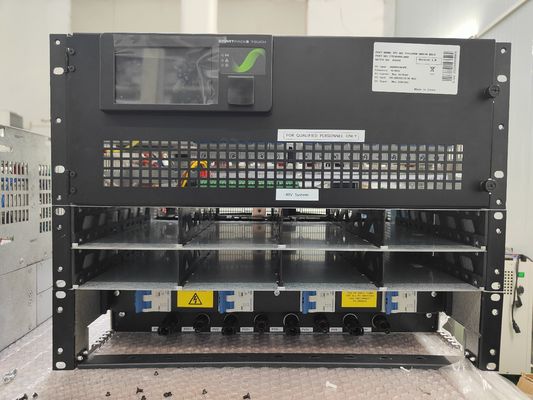
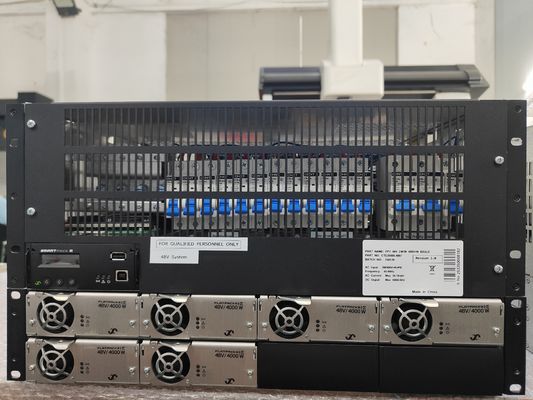
প্রচলিত সেন্ট্রালাইজড ইউটিলিটি প্যানেলগুলি সমন্বিত হার্ডওয়্যারযুক্ত সংযোগগুলি ব্যবহার করে যেখানে সাব-কম্পোনেন্ট রিমেডিয়েশন সিস্টেম পাওয়ার-ডাউন, বিস্তারিত কেবল সংযোগ বিচ্ছিন্ন এবং OEM পরিষেবা প্রকৌশলীদের জন্য দীর্ঘ টার্নঅ্যারাউন্ডের দাবি করে, মেন টাইম টু রিপেয়ার (MTTR) দিন জুড়ে। বিপরীতভাবে, পরবর্তী প্রজন্মের 2RU বৈদ্যুতিন সংকেতের মেরু বদল সাব-র্যাকগুলি একটি টুলহীন, অন্ধ-সাথী ব্যবহার করেগরম-অদলবদলযোগ্যবিন্যাস যখন কেন্দ্রীয় মনিটরিং আর্কিটেকচার একটি স্বায়ত্তশাসিত মডিউল সতর্কতা নিবন্ধন করে, তখন স্থানীয় নন-টেকনিক্যাল প্ল্যান্ট অপারেটররা নিরাপদে আপোসকৃত মডিউলটি বের করতে পারে এবং দুই মিনিটের মধ্যে একটি ম্যাচিং স্পেয়ারে স্লাইড করতে পারে। গুরুত্বপূর্ণভাবে, এই অদলবদলটি লাইভ সিস্টেম অপারেশনের সময় কার্যকর করা হয় (লাইভ সিস্টেম অপারেশন) ম্যানুয়াল বাইপাস বা সক্রিয় টেলিকম বা ডেটাকম লাইনে পাওয়ার ড্রপ না করে। এই সরলীকৃত কাঠামোটি MTTR-কে প্রায় শূন্য মার্জিনে কমিয়ে দেয়, স্থানীয় বিশেষায়িত ঠিকাদারদের উপর নির্ভরতা দূর করে এবং দীর্ঘমেয়াদী জীবনচক্র অপারেটিং খরচ কাঠামোগতভাবে অপ্টিমাইজ করে।


 আপনার বার্তাটি 20-3,000 টির মধ্যে হতে হবে!